Fungal Cultivation on Flax Shives
Work:
Experimental material studies, Workshops on mushroom cultivation
Location:
Bolzano, 2019
Details: This project explores the cultivation of fungi on natural, industrial by-products, focusing on flax shives as a substrate for mushroom growth.
Flax shives, a by-product of the flax industry, were tested as an alternative growth medium to commonly used substrates such as straw or coffee grounds. The material offers significant advantages: it can absorb approximately twice as much moisture as straw, which is crucial for fungal development, and naturally contains microbial organisms that help suppress mold formation.
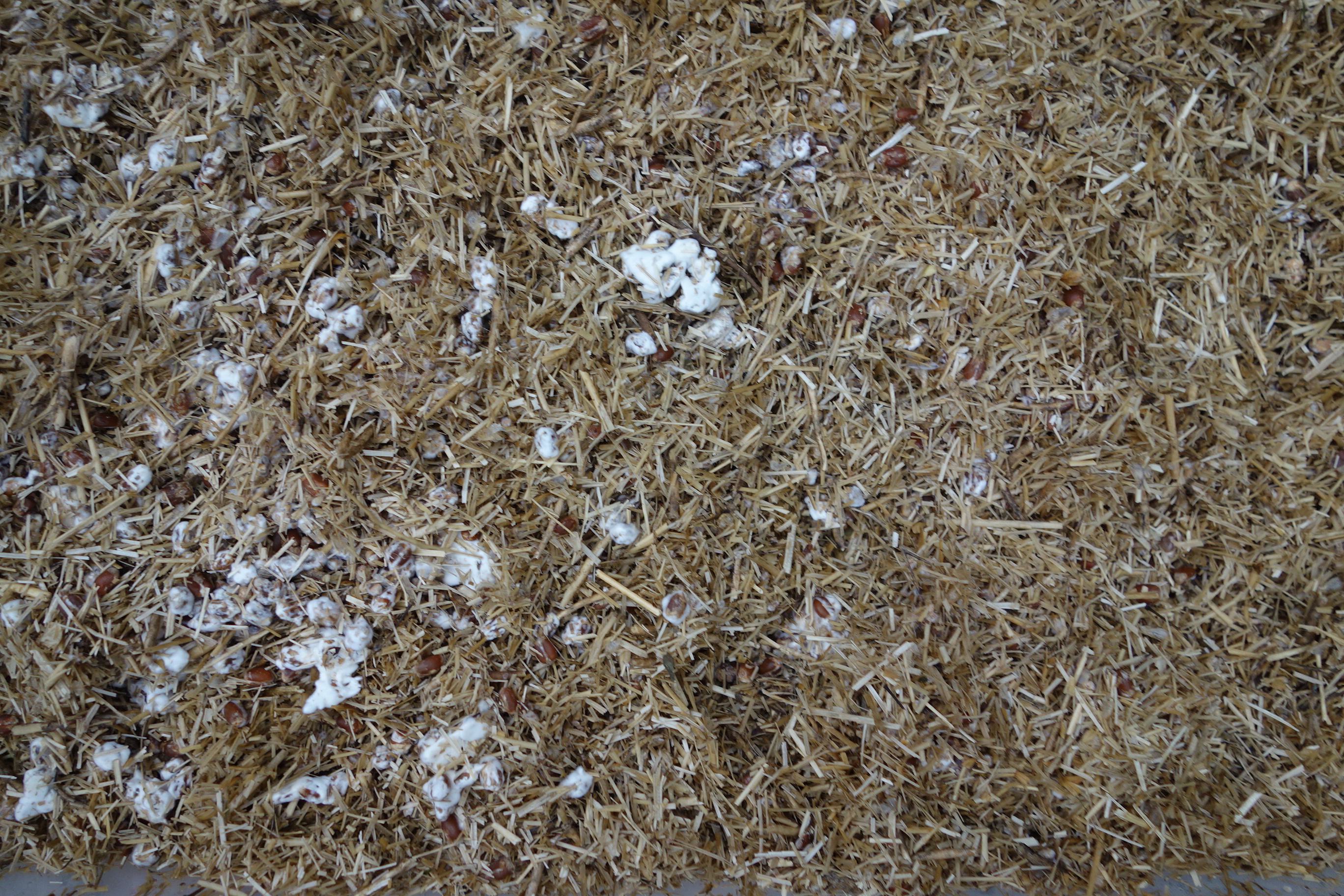
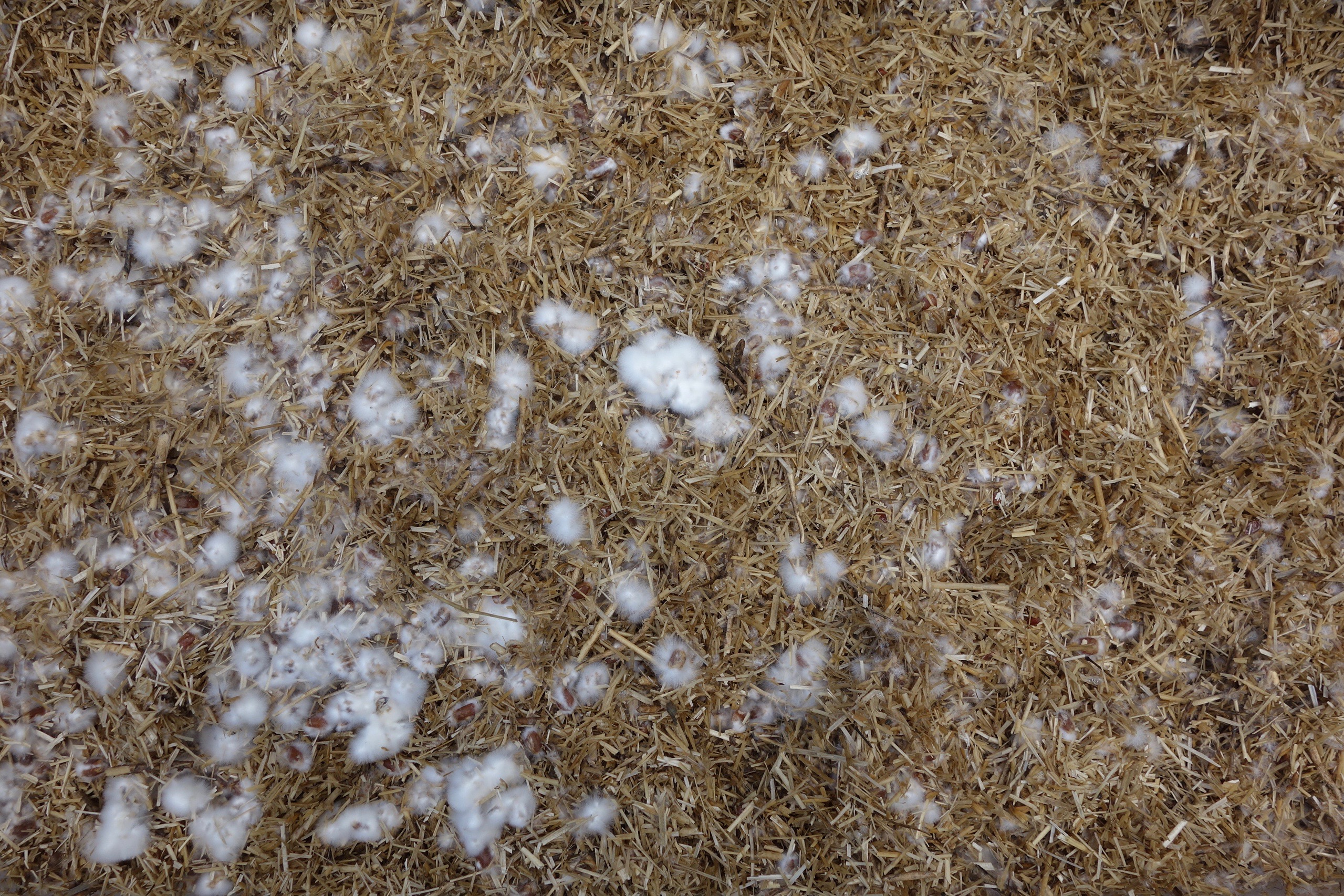
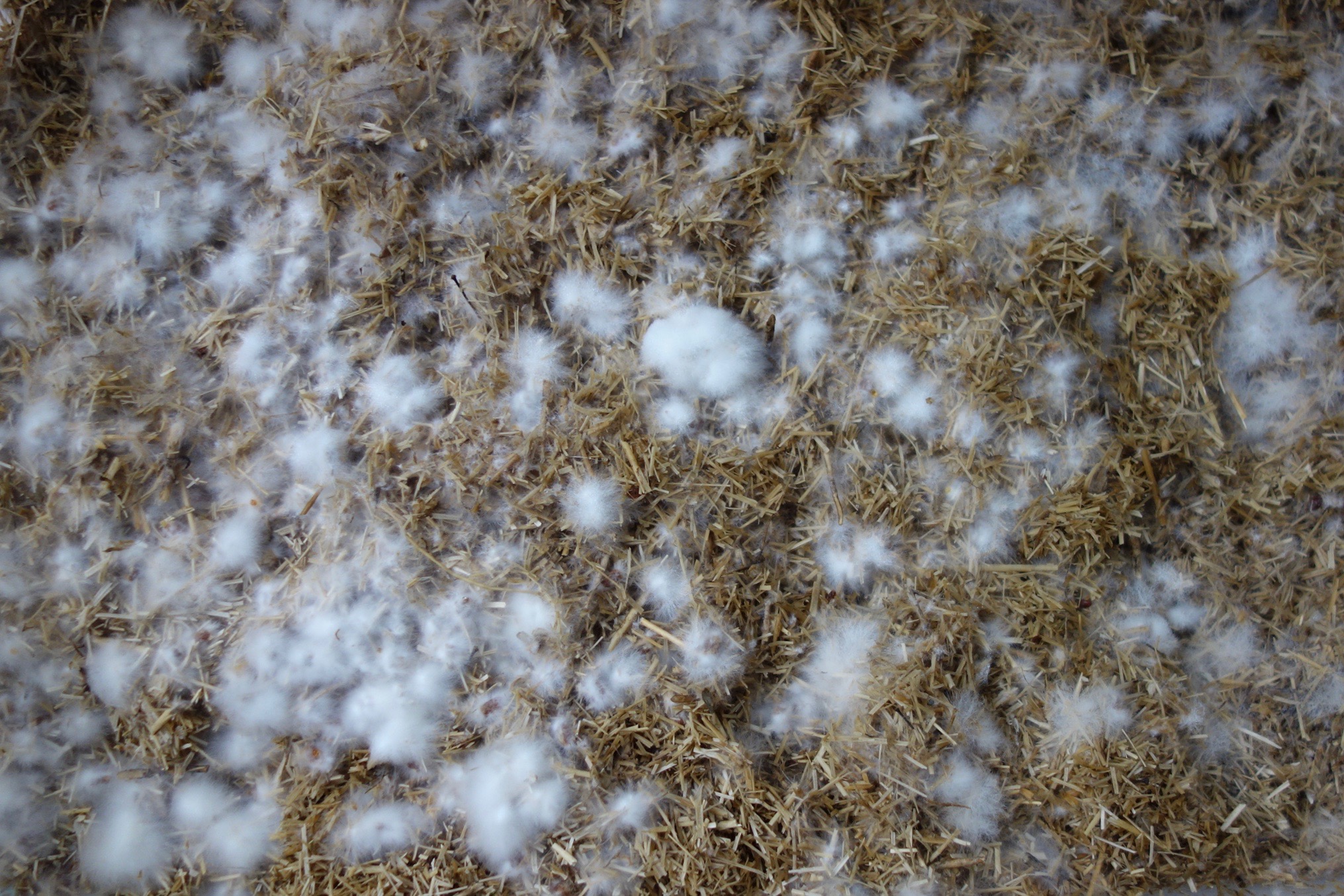
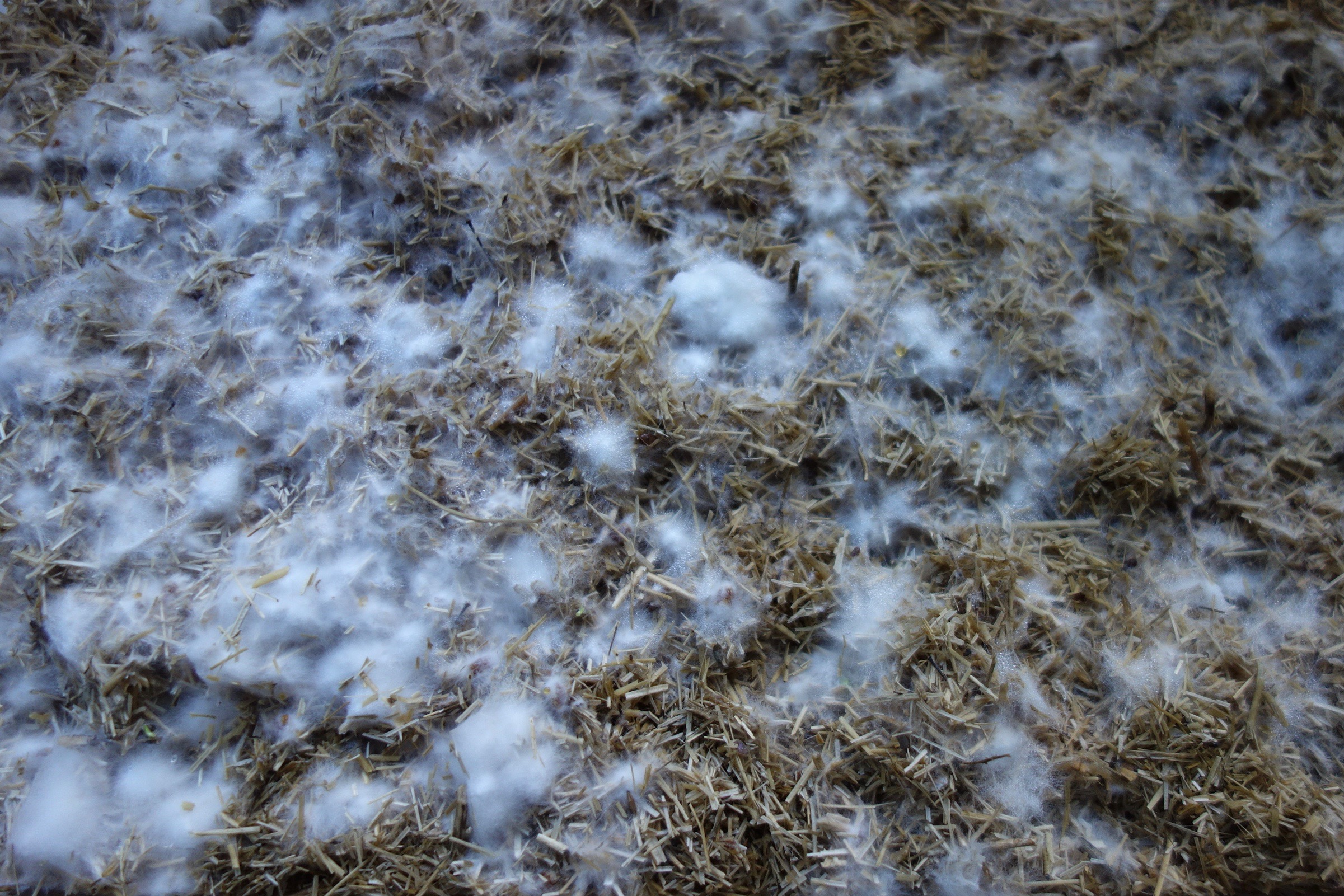
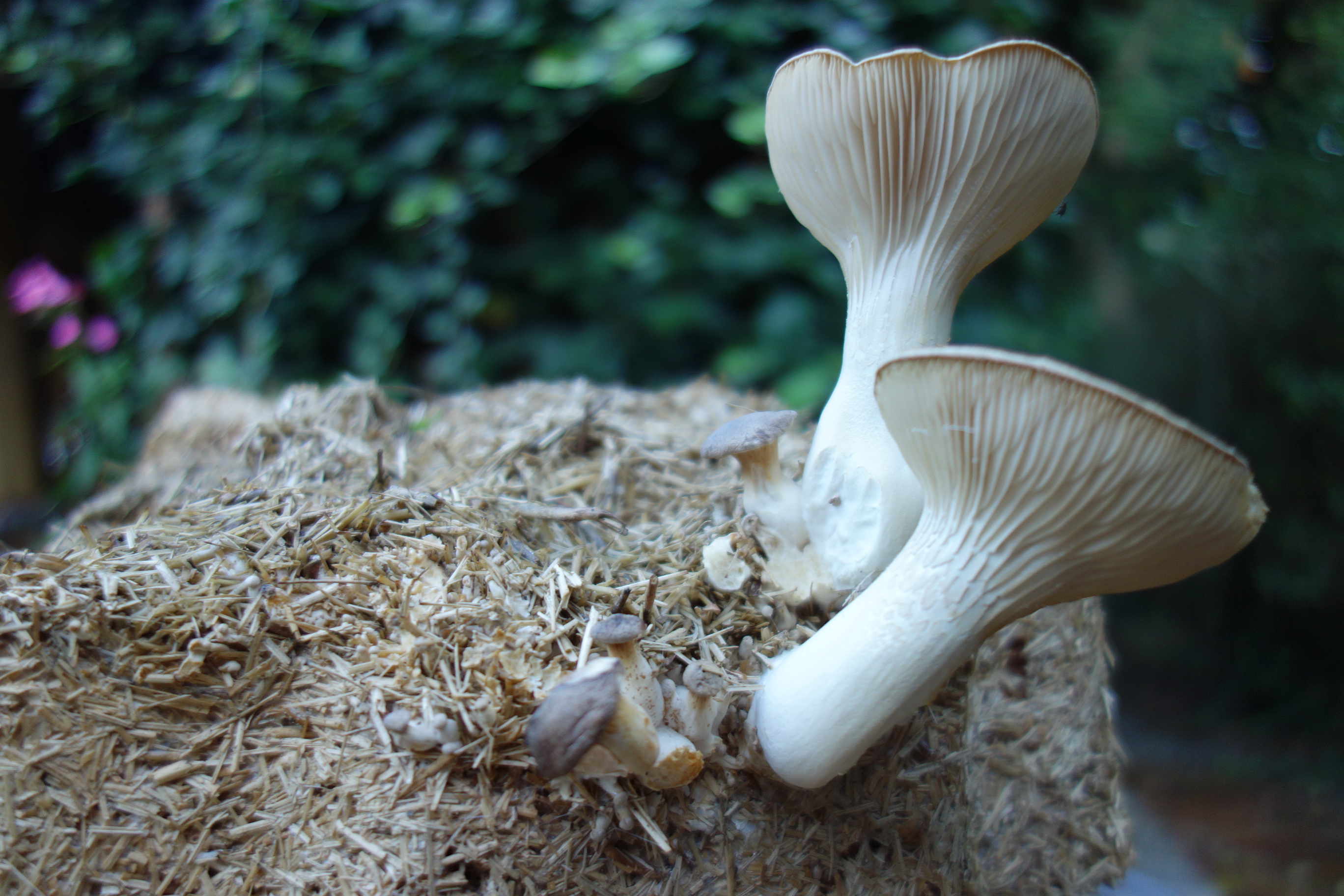
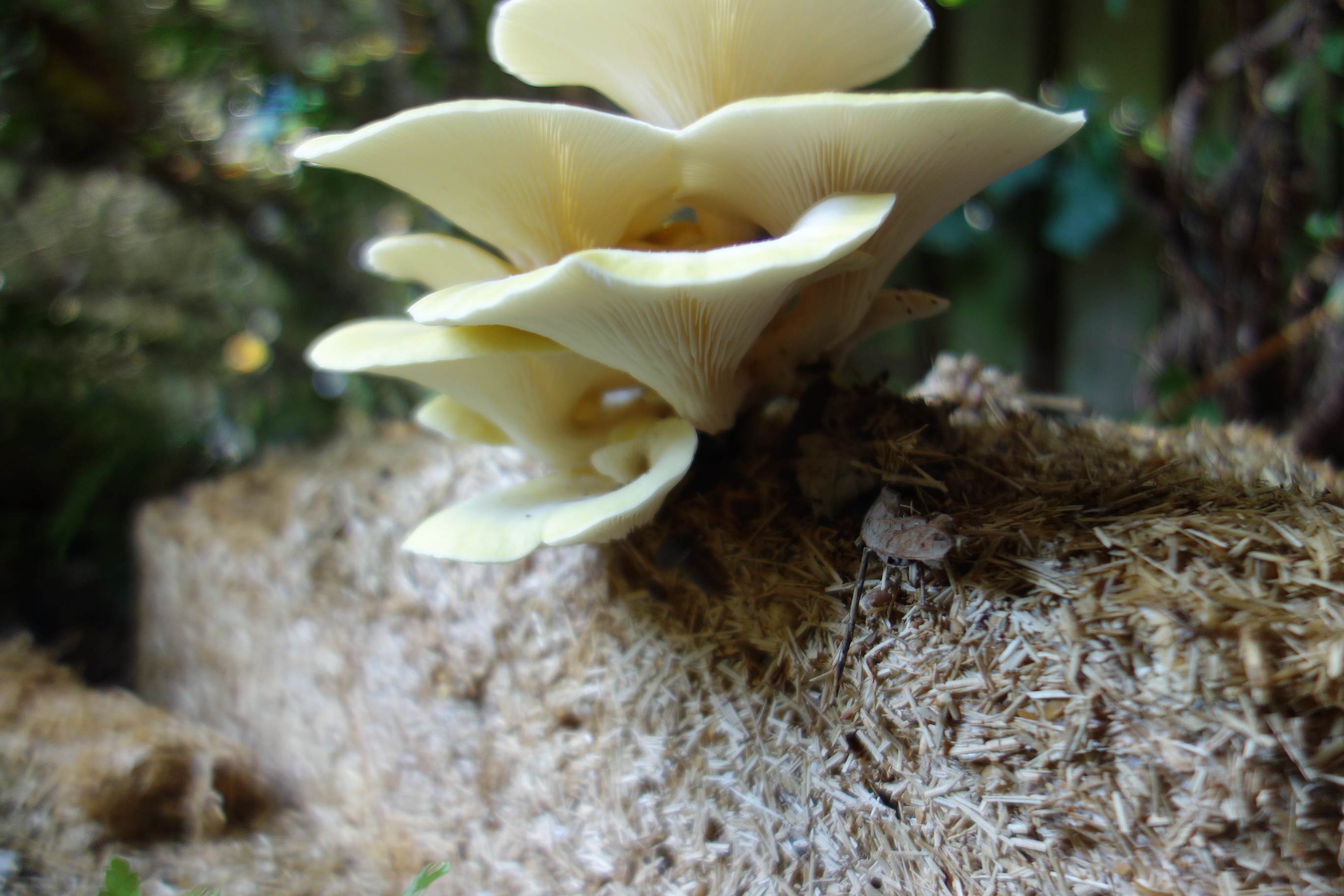
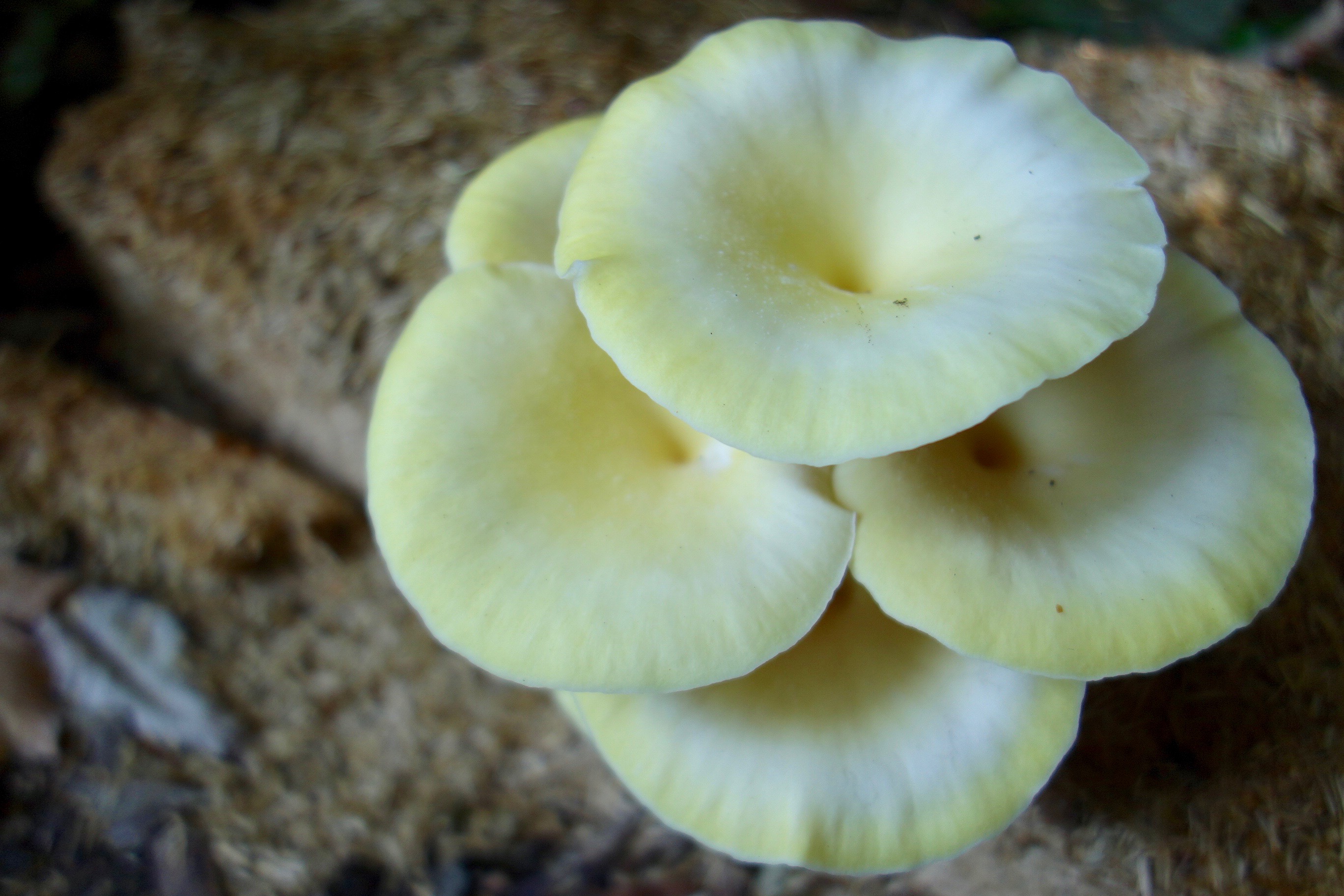
The mycelium of king oyster mushrooms and golden oyster mushrooms was first cultivated on a grain-based spawn (wheat) and subsequently inoculated into a flax shive substrate. Depending on environmental conditions, full colonization occurs within four to six weeks.
During growth, the mycelium binds the loose shives into a dense, cohesive material network. While fungi require oxygen and darkness for mycelial expansion, light becomes essential for the development of fruiting bodies. Within a few days of exposure to light, mushroom caps emerge and rapidly increase in size.
Approximately 700 grams of mushrooms can be produced from 1 kg of flax substrate. After harvest, the material remains fully compostable, reinforcing the project’s focus on circular material cycles and regenerative design systems.
Work:
Experimental material studies, Workshops on mushroom cultivation
Location:
Bolzano, 2019
Details: This project explores the cultivation of fungi on natural, industrial by-products, focusing on flax shives as a substrate for mushroom growth.
Flax shives, a by-product of the flax industry, were tested as an alternative growth medium to commonly used substrates such as straw or coffee grounds. The material offers significant advantages: it can absorb approximately twice as much moisture as straw, which is crucial for fungal development, and naturally contains microbial organisms that help suppress mold formation.
The mycelium of king oyster mushrooms and golden oyster mushrooms was first cultivated on a grain-based spawn (wheat) and subsequently inoculated into a flax shive substrate. Depending on environmental conditions, full colonization occurs within four to six weeks.
During growth, the mycelium binds the loose shives into a dense, cohesive material network. While fungi require oxygen and darkness for mycelial expansion, light becomes essential for the development of fruiting bodies. Within a few days of exposure to light, mushroom caps emerge and rapidly increase in size.
Approximately 700 grams of mushrooms can be produced from 1 kg of flax substrate. After harvest, the material remains fully compostable, reinforcing the project’s focus on circular material cycles and regenerative design systems.